LAWA Logo extender Search:  
extender LAWA tab L.A. International Airport tab LA/Ontario tab Van Nuys tab HOME tab
Current Weather


Broadcast Video of BOAC Meetings

ShopLA
extender

About Los Angeles World Airports 

As the aviation authority for the nation's second largest city and hub of one of the world's most populous metropolitan areas, Los Angeles World Airports (LAWA) is faced with the challenges of providing an airport system to serve a major portion of the Southern California market. LAWA has met this challenge, and at no cost to the taxpayer.

Los Angeles World Airports is a self-supporting department of the City of Los Angeles, governed by a seven-member Board of Airport Commissioners. The Board is comprised of public-spirited business and civic leaders appointed by the mayor and approved by the City Council.

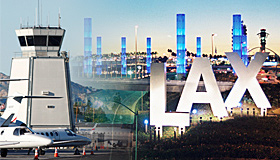
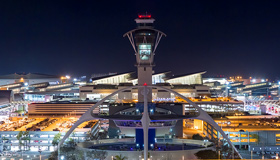
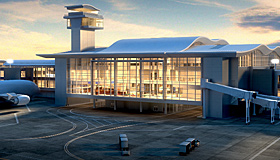
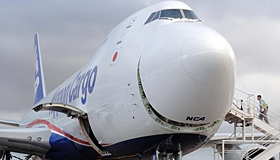
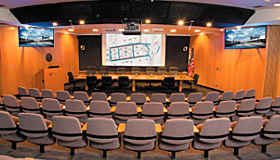
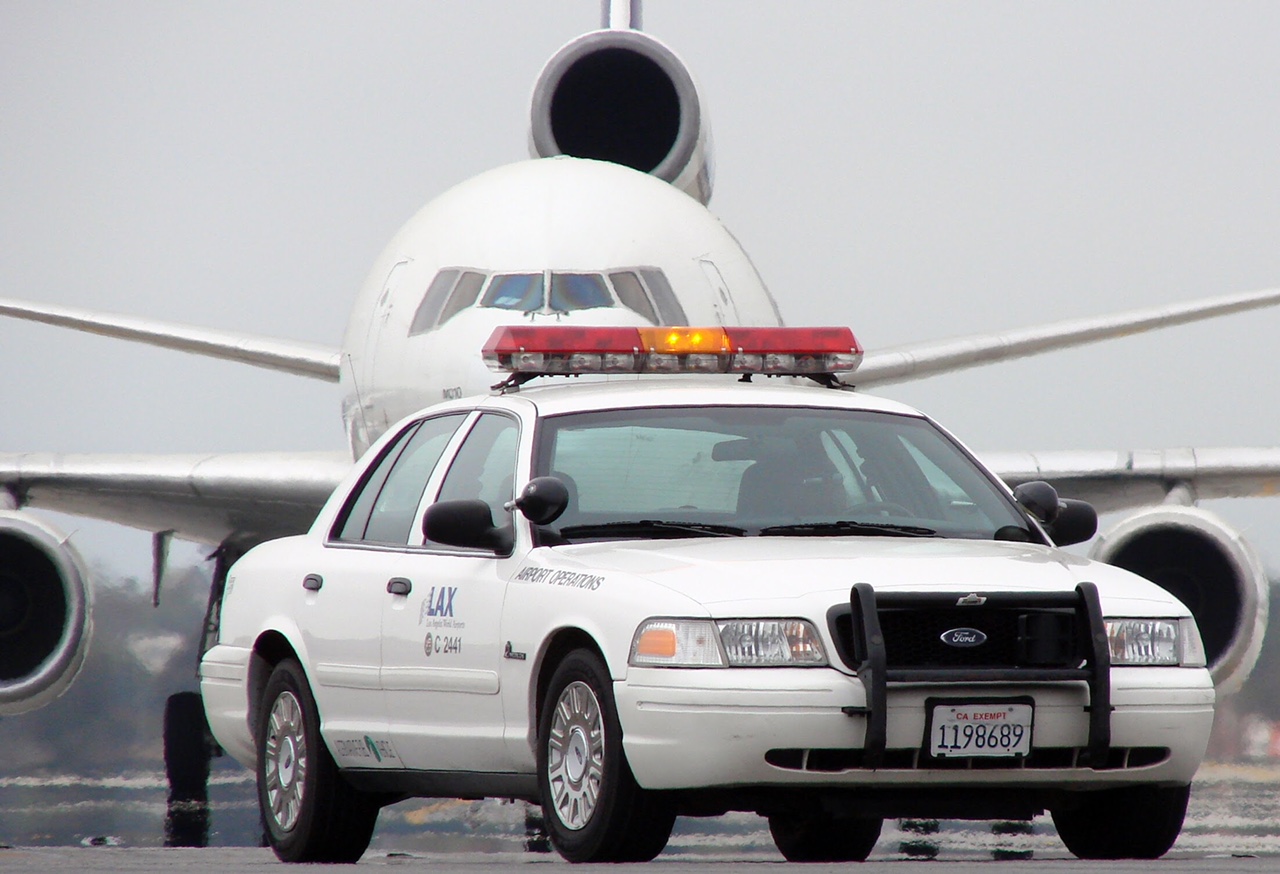
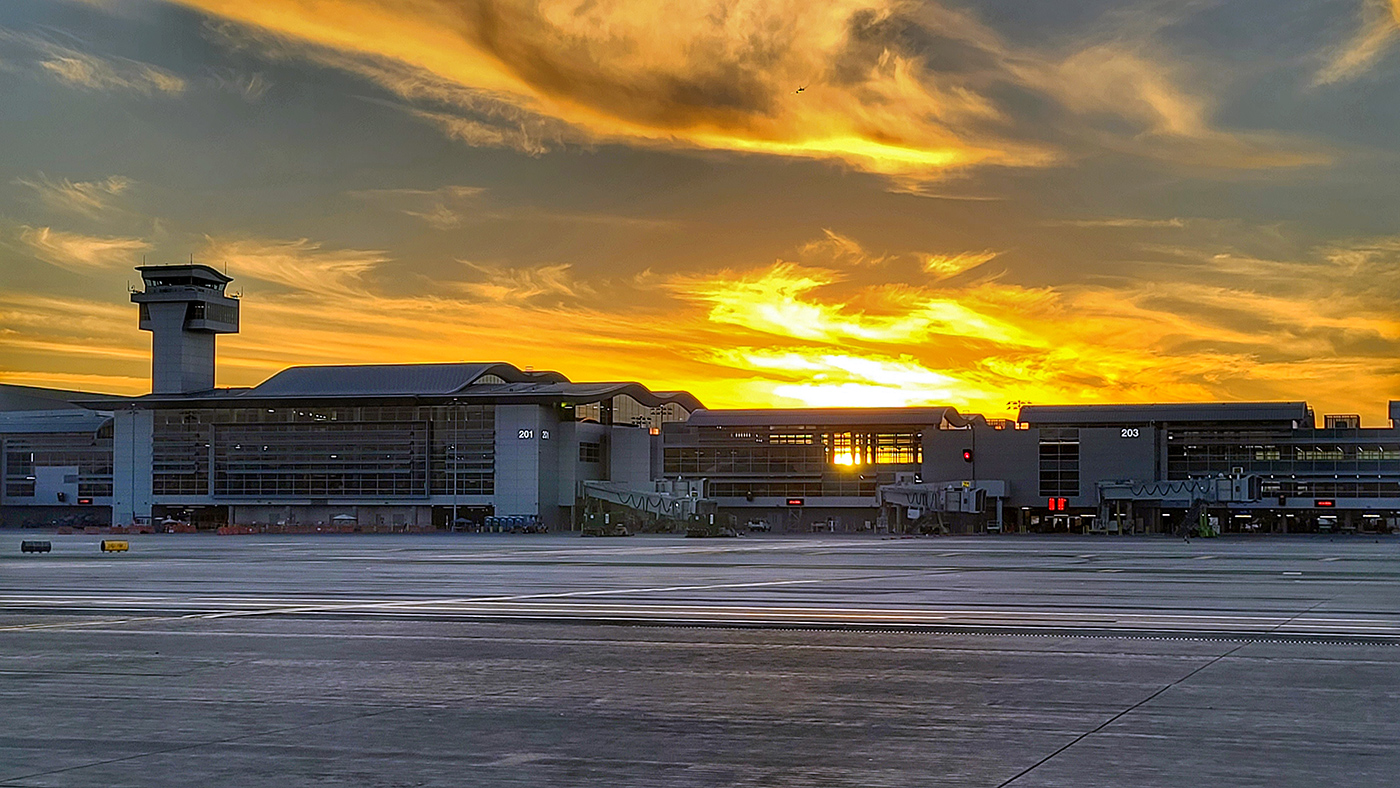
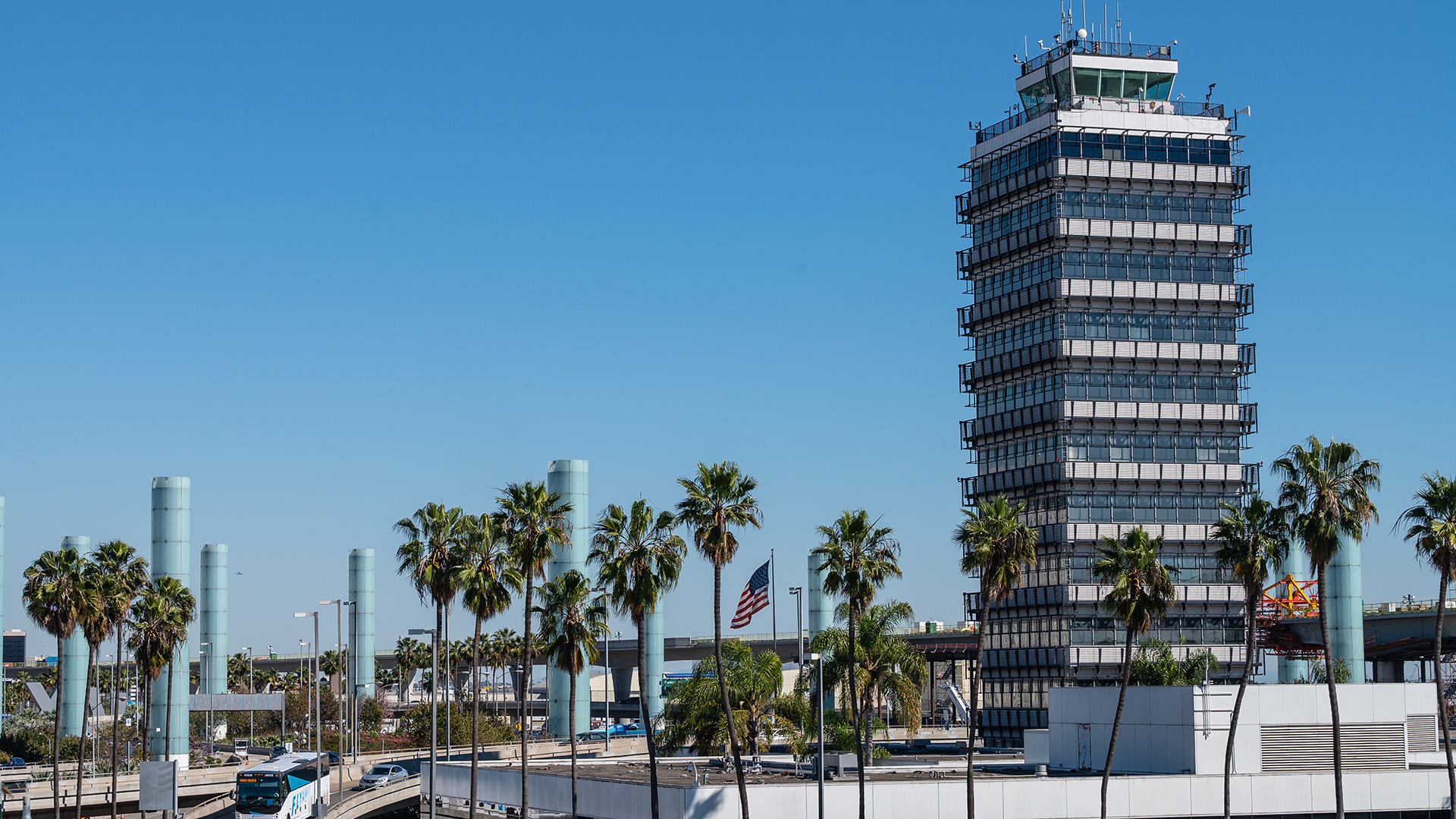
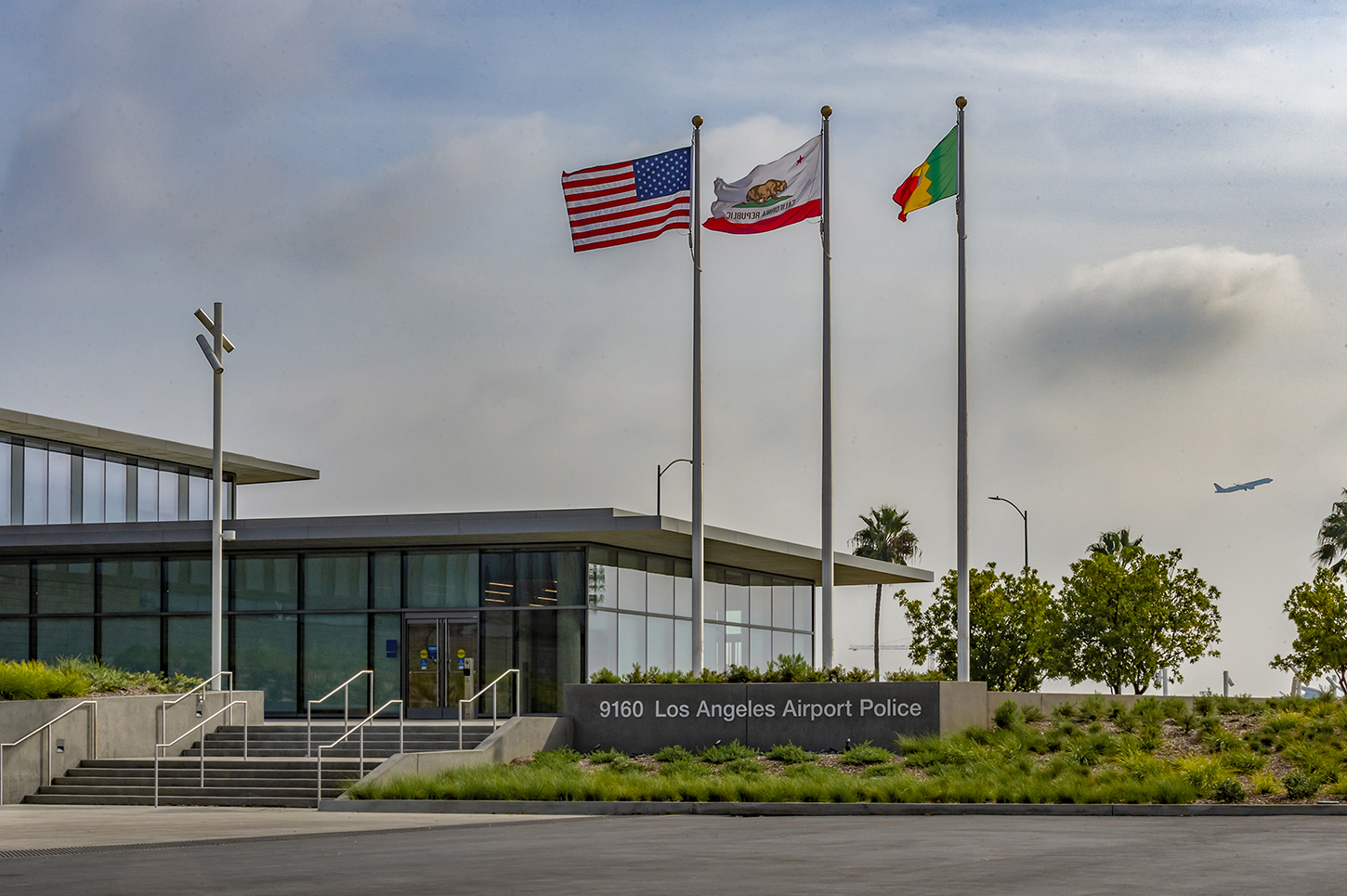
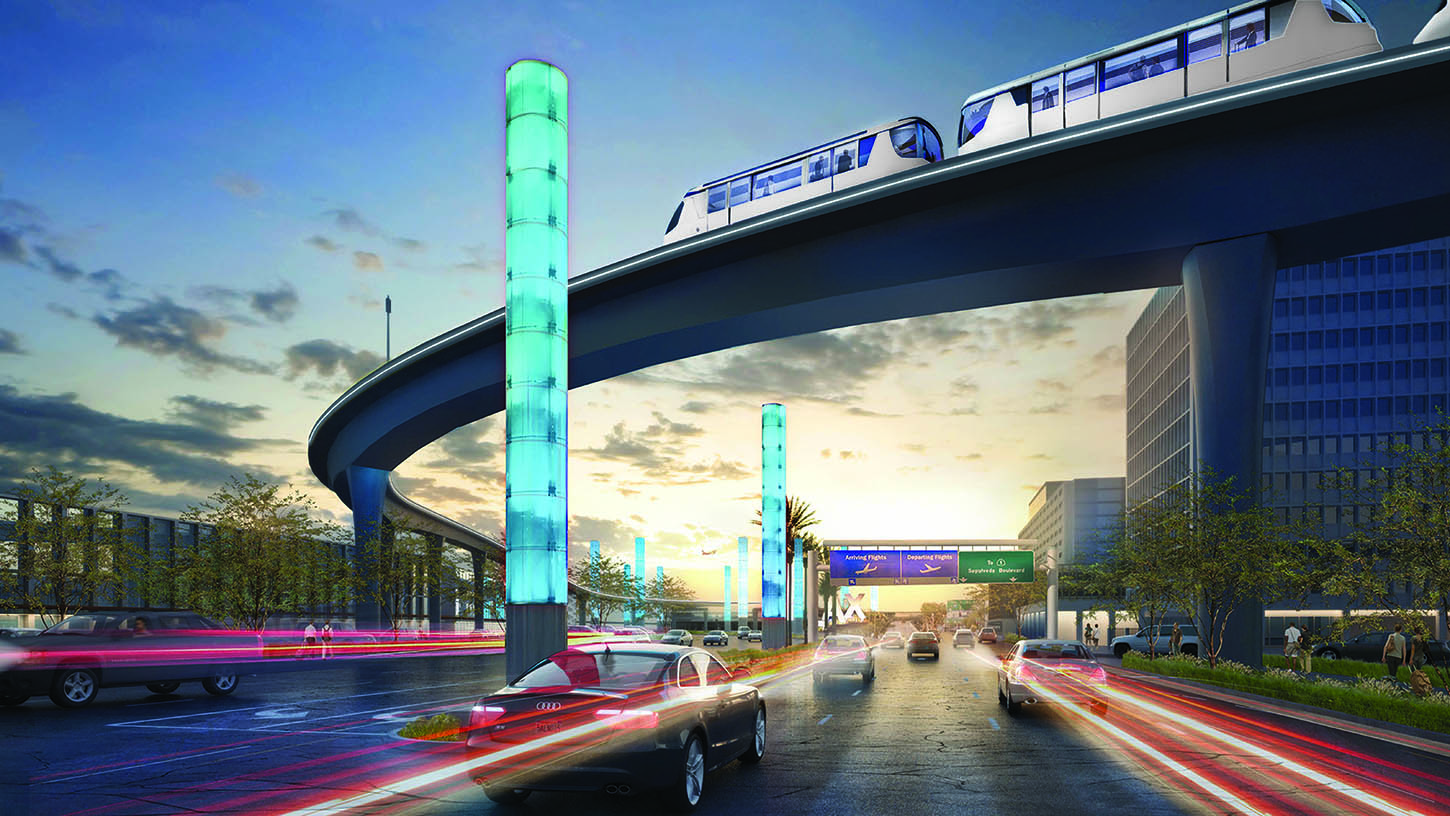
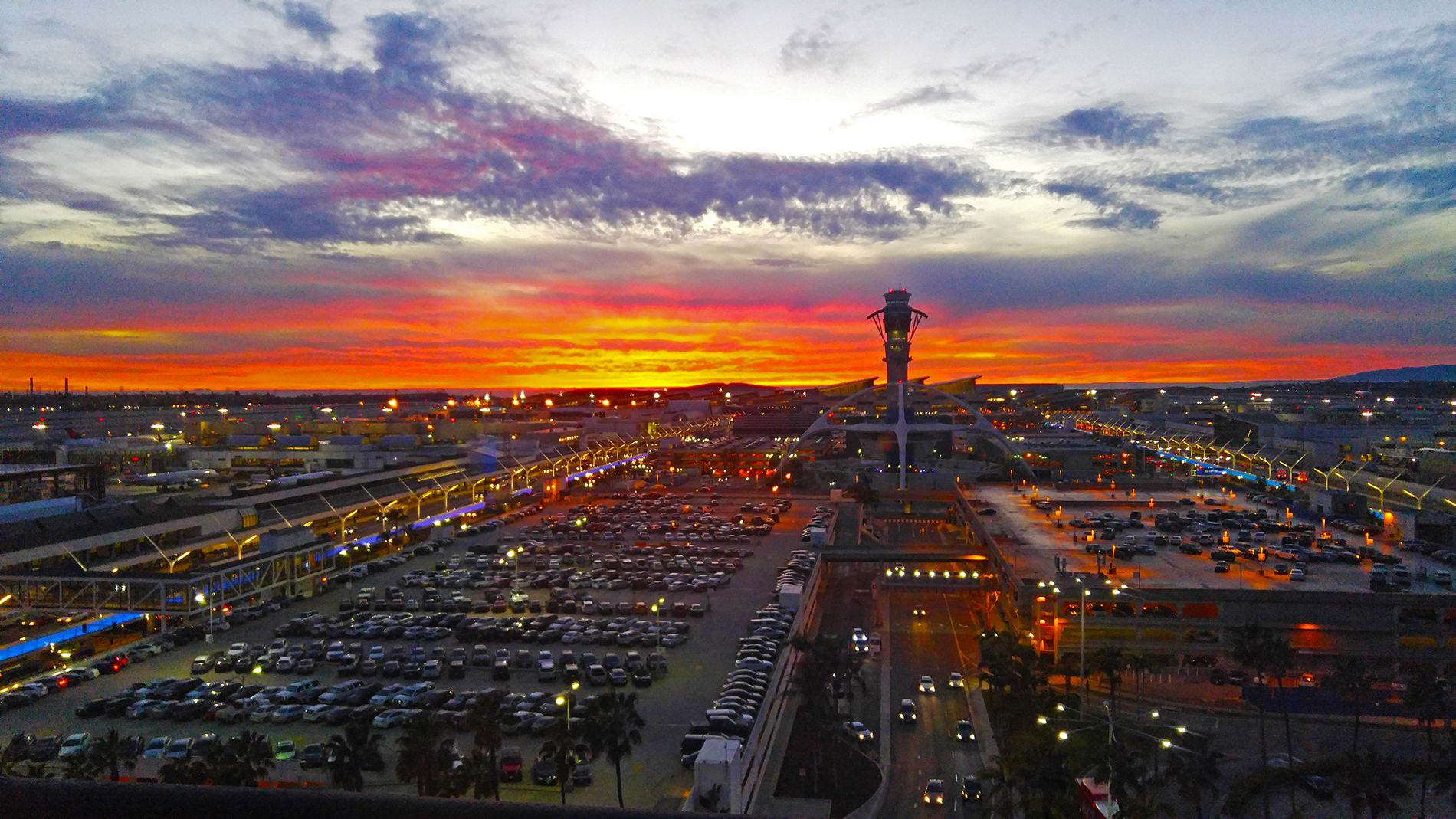
Airport Collage 

Policies of the commission are carried out by a professional administrative staff of nearly 3,500 employees who operate and maintain three airports in the system:

  • Los Angeles International Airport (LAX)
  • LA/Ontario International Airport (ONT)
  • Van Nuys Airport general aviation (VNY)

Airport revenues are derived from:

  • Aircraft landing fees
  • Leases fees
  • Concession fees from more than 350 tenants
  • Parking fees

Airport Expenditures include:

  • Bond redemption and interest
  • Construction
  • Maintenance of buildings and airfields
  • Operating and administrative expenses, equipment and roads

How an Airport Works to Serve People The operation of an airport is a highly complex relationship between a number of government and private organizations. Each organization plays an important role in the activities necessary to provide a city, a region, a nation, and the world with a modern air transportation system.

Basically, these are the major organizations involved in operating a major airport:

  • Airport operator (LAWA)
  • Federal agencies that have jurisdiction over different aspects of airport operations, including:
    U.S. Department of Homeland Security, U.S. Department of Transportation, U. S. Customs and Border Protection and Transportation, the Federal Aviation Administration and the Transportation Security Administration.
  • Commercial air carriers

Airport Operator
The airport operator is primarily responsible for the physical elements of the airport, which include:

  • Runways
  • Fueling facilities
  • Passenger terminals
  • Ground transportation facilities

The operator leases space to individuals and organizations that wish to use its facilities. "Tenants” include aviation-related enterprises and those businesses serving the traveler. Revenues from such enterprises, and from landing fees charged to the airlines, permit many airports to operate without utilizing general tax funds.

Aviation-related enterprises include:

  • Commercial air carriers
  • Private flying schools
  • Air cargo carriers
  • Executive aircraft facilities
  • Small aircraft engine maintenance shops

Passenger services include:

  • Car rental companies
  • Gift shops and newsstands
  • Restaurants
  • Parking

As with most businesses, the airport operator is interested in attracting new tenants. A prospective tenant may look for:

  • Current tenant satisfaction
  • Current and projected service requirements
  • Cost per passenger enplanement to operate

The airport operator is continually upgrading facilities and services to meet increasing user demands. To do so, the airport manager may:

  • Build new runways
  • Build or improve existing passenger terminals
  • Create new concessionaire opportunities in retailing and food-and-beverage services
  • Build new airport roads for easier access

Like other local industries, an airport contributes to the community by:

  • Creating jobs both on and off the airport
  • Contributing to the economic growth of the region
  • Attracting new businesses and people to the region
  • Paying taxes and its tenants paying taxes

To ensure the safety of the flying public, an airport is very heavily regulated by local, state and national laws and regulations that govern how it may be built and operated. Airport facilities are inspected regularly to insure compliance with these regulations.

Public airports have the status of a public trust. Because of this status, changes in their operation cannot be made without due consideration of how such changes will affect the majority of citizens who have come to depend on the service. Thus, public airports cannot be opened, closed or operated arbitrarily.

U.S. Department of Homeland Security
This federal department leverages resources within federal, state and local government to coordinate the transition of multiple agencies and programs into a single, integrated agency focused on protecting the American people and their homeland. More than 87,000 different governmental jurisdictions at the federal, state, and local level have homeland security responsibilities.

Transportation Security Administration (TSA)
This agency, within the U.S. Department of Homeland Security, protects the nation’s transportation systems and infrastructure to ensure freedom of movement for people and commerce. It:

  • Determines airport and aircraft security procedures; screens passengers; and controls access to aircraft and boarding areas
  • Ensures airport operators monitors compliance and enforces the airport’s security plan

Federal Aviation Administration
This agency of the U.S. Department of Transportation is responsible for creating and enforcing the rules, regulations and standards that apply to all aspects of civil aviation. The FAA:

  • Licenses pilots
  • Develops, operates and maintains a nationwide system of airways
  • Certifies the air worthiness of aircraft (including permissible noise level of jet engines)
  • Licenses airports to operate (considering such factors as site, runways, crash equipment and other aspects for safe operation)
  • Inspects and approves modifications and improvements to airports that pertain to aircraft handling

The FAA is the operator of the nation’s airways. In this capacity, it:

  • Establishes flight patterns across the U.S., as well as minimum visibility standards and safe operating flight paths in the air and on the ground.

U. S. Department of Transportation
The U.S. Department of Transportation’s Aviation Consumer Protection Division, http://airconsumer.ost.dot.gov/problems.htm, receives complaints from members of the public regarding air travel consumer issues. The office verifies compliance with the department’s aviation consumer protection requirements and provides guidance to the industry and members of the public on consumer protection matters. The office also makes available to the public information on pertinent consumer matters.

Customs and Border Protection
This agency of the U.S. Department of Homeland Security is one of its largest and most complex components, with a priority mission of keeping terrorists and their weapons out of the U.S. It also has a responsibility for securing and facilitating trade and travel while enforcing hundreds of U.S. regulations, including immigration and drug laws.

Commercial Air Carriers
Commercial air carriers are private companies licensed by the FAA to operate aircraft between destinations to carry passengers and freight for profit. Their operating procedures are closely regulated by the FAA to ensure public safety. These carriers are responsible for a number of passenger-related services, including:

  • Issuing tickets
  • Meeting the transportation needs of travelers, including providing wheelchairs for disabled travelers
  • Baggage handling
  • Cargo handling

The method used by an air carrier to set the number of trips and times of departure and arrival over a certain route is a very complex formula that takes into consideration:

  • Number and types of aircraft the airline has available
  • Size of the market served by a certain airport
  • Times when most travelers would like to depart or arrive at origination and destination cities
  • Aircraft maintenance schedules

 Competition among air carriers in the United States, along with judicious government regulation, has produced the most complex and flexible air transportation system in the world. The needs of tdhe community, the physical facilities provided by the airport operator, the regulations set by government to maintain the highest level of safety and security, and the incentive to provide profitable airline service to all, combine to make an airport work to serve the travelling public.